Emergency Water Mitigation in Spring, TX
Mitigation is the first, fastest response to an active water event, stopping the damage from spreading before full restoration begins.
☎ Call (833) 521-1033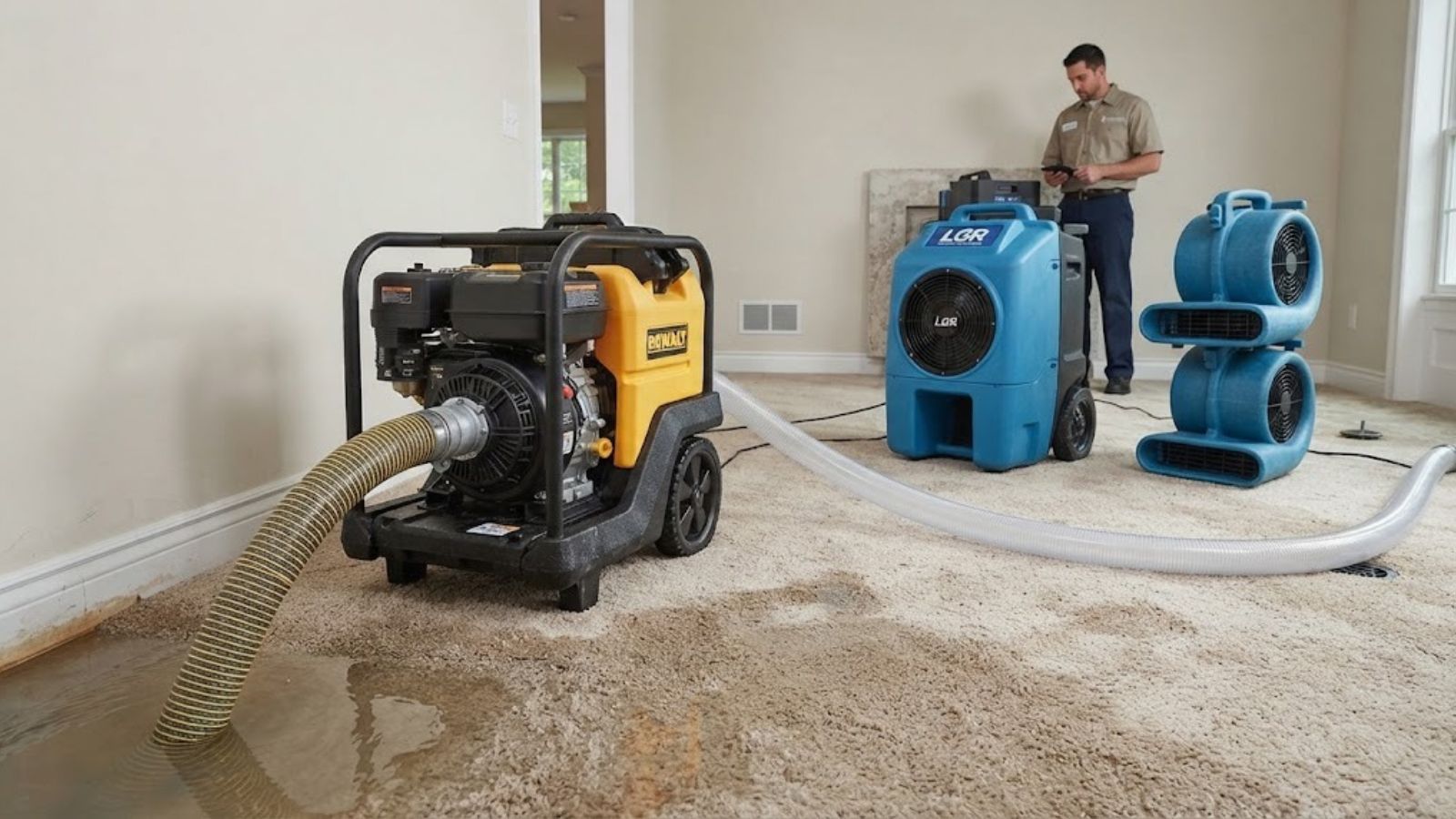
Water Mitigation in Spring, TX
Water mitigation and water damage restoration are related but not identical. Mitigation is the immediate response, extracting standing water and beginning to dry the space to stop damage from spreading further. Restoration is the fuller process that follows, repairing and replacing what the water actually damaged.
In practice, mitigation is what happens in the first hours after a water event, and it's the step that determines how much restoration work is needed afterward. Fast, thorough mitigation can mean the difference between drying out a room and having to remove and rebuild it.
The terminology matters more than it might seem. Some insurance policies and adjusters draw a real distinction between mitigation (an emergency measure to prevent further loss, often covered even when the underlying cause has coverage questions) and restoration (the repair work itself). Knowing which term applies to which part of the job can matter for how a claim gets processed.
What Mitigation Actually Involves
We extract standing water first, using pumps and truck-mounted equipment for anything beyond what a wet vacuum can handle. Air movers and dehumidifiers go in immediately after to start pulling moisture out of the air and out of materials before it has time to soak deeper or start growing mold.
Moisture meters check progress in walls, flooring, and framing throughout, not just once, since materials that look dry on the surface can still be wet underneath for days without the right equipment checking.
We also assess the water's category during this first response, since that determines the safety precautions needed and whether any materials need to be removed rather than dried in place. A Category 1 clean-water event from a supply line gets handled differently than a Category 3 sewage backup from the very first step, following the same IICRC S500 industry standard used across the restoration field.
Mitigation Scope
Water extraction
Removing standing water is always the first move, using equipment sized to the actual volume involved.
Structural drying setup
Air movers and dehumidifiers placed and monitored to dry materials in place wherever that's realistically possible.
Moisture monitoring
Ongoing readings until materials actually test dry, not just until they look dry, which is how hidden mold growth gets prevented.
What to Do Before We Arrive
What Affects Your Price
Need the Plumbing Repair Itself?
Water Mitigation addresses the water damage a leak or burst pipe left behind. If you still need the actual plumbing fixed, the burst pipe repaired, the slab leak located, or the frozen line thawed, our plumbing team handles that separately. Many calls involve both, and we can help coordinate so you're not stuck managing two separate timelines on your own.
Related plumbing pages: leak detection, slab leak detection and repair, burst pipe repair, and frozen pipe repair.
Once the water is extracted and drying is underway, the fuller repair and rebuild process is water damage restoration, which we also handle as a continuation of the same job.
Common Questions
What's the difference between mitigation and restoration?
How quickly should water mitigation start after a leak?
Do you handle both mitigation and the full restoration afterward?
Is water mitigation covered by insurance?
Ready to Get This Fixed?
Call now and talk to a real dispatcher. Upfront pricing, every job.
☎ Call (833) 521-1033