What Not to Put Down Your Garbage Disposal
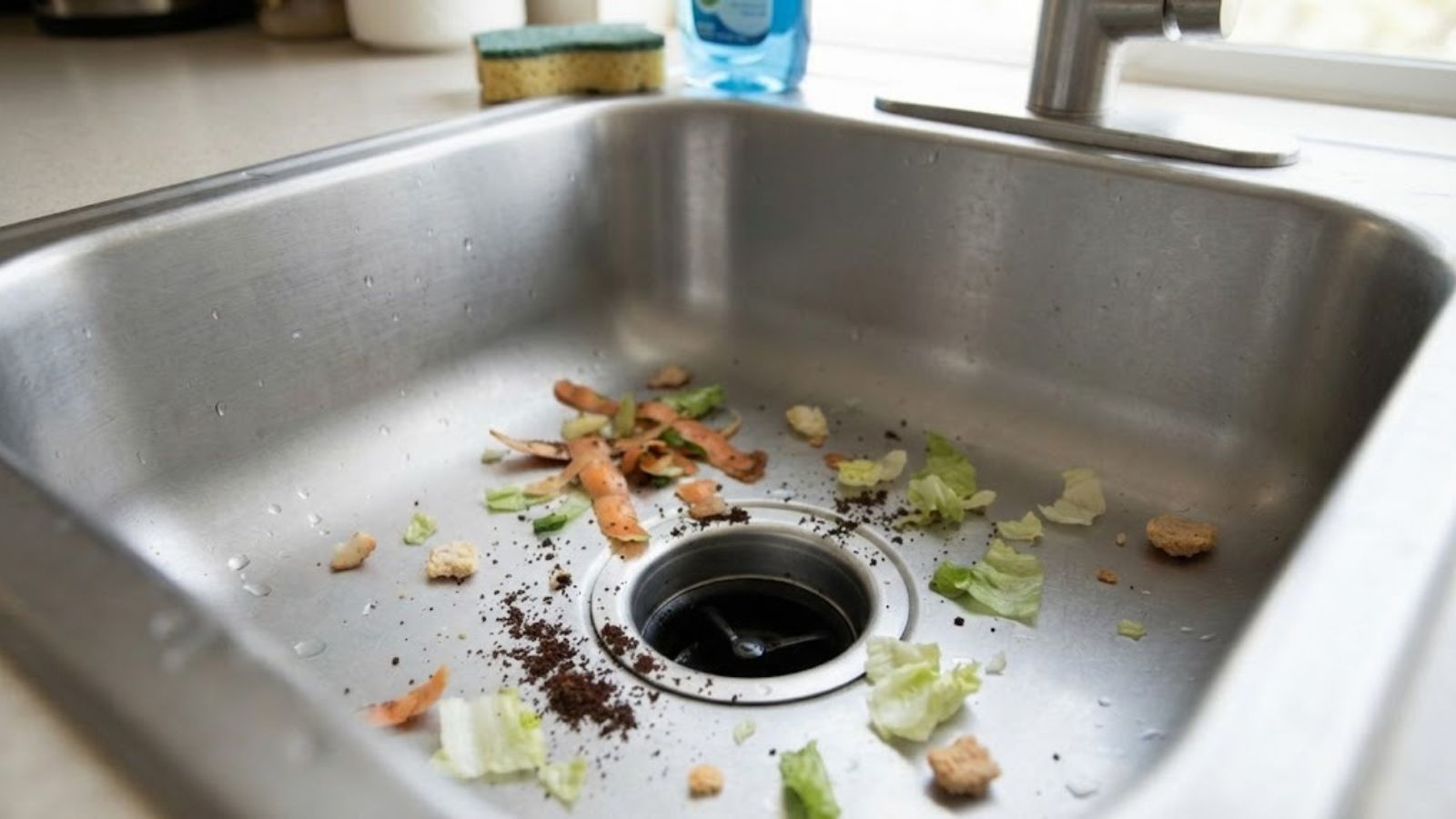
A garbage disposal handles small, soft food scraps well, but several common kitchen items cause real damage. Grease and oil congeal inside pipes, fibrous vegetables wrap around the blades, starchy foods expand into a gummy paste, and anything hard like bones or fruit pits can jam or dull the blades entirely. According to NSF/ANSI standards that most residential disposal units are certified against, these appliances are rated for food waste specifically, not general kitchen debris, which is exactly why non-food items cause the most damage.
The Real Problem Items
Grease, oil, and fat top the list for good reason. They go down as a liquid but solidify as they cool, coating the inside of your pipes and narrowing them over time until a clog forms, sometimes well past the disposal itself where it's harder to reach.
| Item | Why It Causes Problems |
|---|---|
| Grease, oil, fat | Solidifies inside pipes as it cools, narrowing them over time |
| Fibrous vegetables (celery, corn husks) | Fibers wrap around the blades and jam the motor |
| Starchy foods (pasta, rice, potato peels) | Expand with water into a gummy, clog-forming paste |
| Bones and fruit pits | Too hard for the blades, can jam or damage them |
| Coffee grounds | Clump together and build up in pipes over time |
What's Actually Fine to Grind
Small, soft food scraps, cooked vegetables, fruit without pits, and similar items generally grind fine with the water running. Ice cubes are commonly used to help clean the blades and are safe in most disposals. Citrus peels in small amounts can help with odor, though larger peels are better composted or trashed along with everything else on this list.
Running It Correctly Matters Too
Even acceptable food scraps can cause problems if the disposal is overloaded or run without water. Always run cold water while the disposal is operating and for a few seconds after, and feed food in gradually rather than dumping a large amount in at once. Overloading strains the motor even when everything going in is technically safe to grind.
When Something's Already Stuck
If the disposal hums but doesn't spin, that usually means something is jammed rather than the motor itself failing. Turn off power at the switch and, ideally, at the breaker before attempting to clear anything by hand. Never reach into a disposal that's still connected to power, even if it appears off at the switch.
If a jam doesn't clear easily, or the disposal has stopped working entirely, garbage disposal repair and installation covers diagnosing whether it's a clearable jam, a motor issue, or genuinely time for replacement. A disposal that's jammed repeatedly from the same habits is often cheaper to replace than to keep unjamming.
Signs Your Disposal Needs Professional Attention
A persistent hum with no spinning, even after checking for visible jams, often points to a seized motor or a worn-out capacitor rather than something a homeowner can clear by hand. Unusual grinding noises, especially metal-on-metal sounds, suggest something has damaged the blades or the grinding chamber itself.
A leak underneath the sink where the disposal connects is a separate but related issue, usually meaning a seal has failed rather than anything related to what's been put down the drain. That's worth addressing promptly, since water pooling under a sink can damage cabinetry and flooring if it goes unnoticed.
The Reset Button Most Homeowners Forget
Most garbage disposals have a small red reset button on the underside of the unit that trips automatically if the motor overheats or jams. Before assuming the disposal has failed completely, checking and pressing this button is worth trying, since many units that appear dead simply need this reset after tripping from an overload.
If the reset button trips repeatedly right after being pressed, that's usually a sign of a persistent jam or a genuine motor problem rather than a one-time overload. It's a good indicator that it's time for a professional look rather than continuing to reset it.
A Note on Garbage Disposal Myths
The idea that ice cubes or eggshells sharpen disposal blades is a persistent myth worth addressing directly. Garbage disposal blades aren't actually sharp knife edges, they're closer to blunt impellers that use centrifugal force to shred food against a stationary grind ring. Nothing you put down the disposal sharpens anything, since there's no cutting edge to sharpen in the first place.
Ice can help dislodge minor buildup on the impellers and grind ring, which is a real, useful function, but it's cleaning rather than sharpening. Understanding this distinction helps explain why some commonly repeated advice about disposal maintenance doesn't quite hold up to how the appliance actually works mechanically.
Common Questions
Can eggshells go down the garbage disposal?
What should I do if I accidentally drop metal or glass in the disposal?
Is it okay to use chemical drain cleaners in a disposal?
How long should a garbage disposal typically last?
Does running hot or cold water make a difference when using the disposal?
Can putting too much food in at once damage a disposal even if it's all safe food?
Should I run the disposal every day even without food waste, just to keep it working?
Is a name-brand disposal worth the extra cost over a budget model?
Is it worth having a plumber check my disposal even if it seems fine?
Dealing with this in Spring or nearby right now?
☎ Call (281) 626-9205