Signs You Need Sewer Line Repair
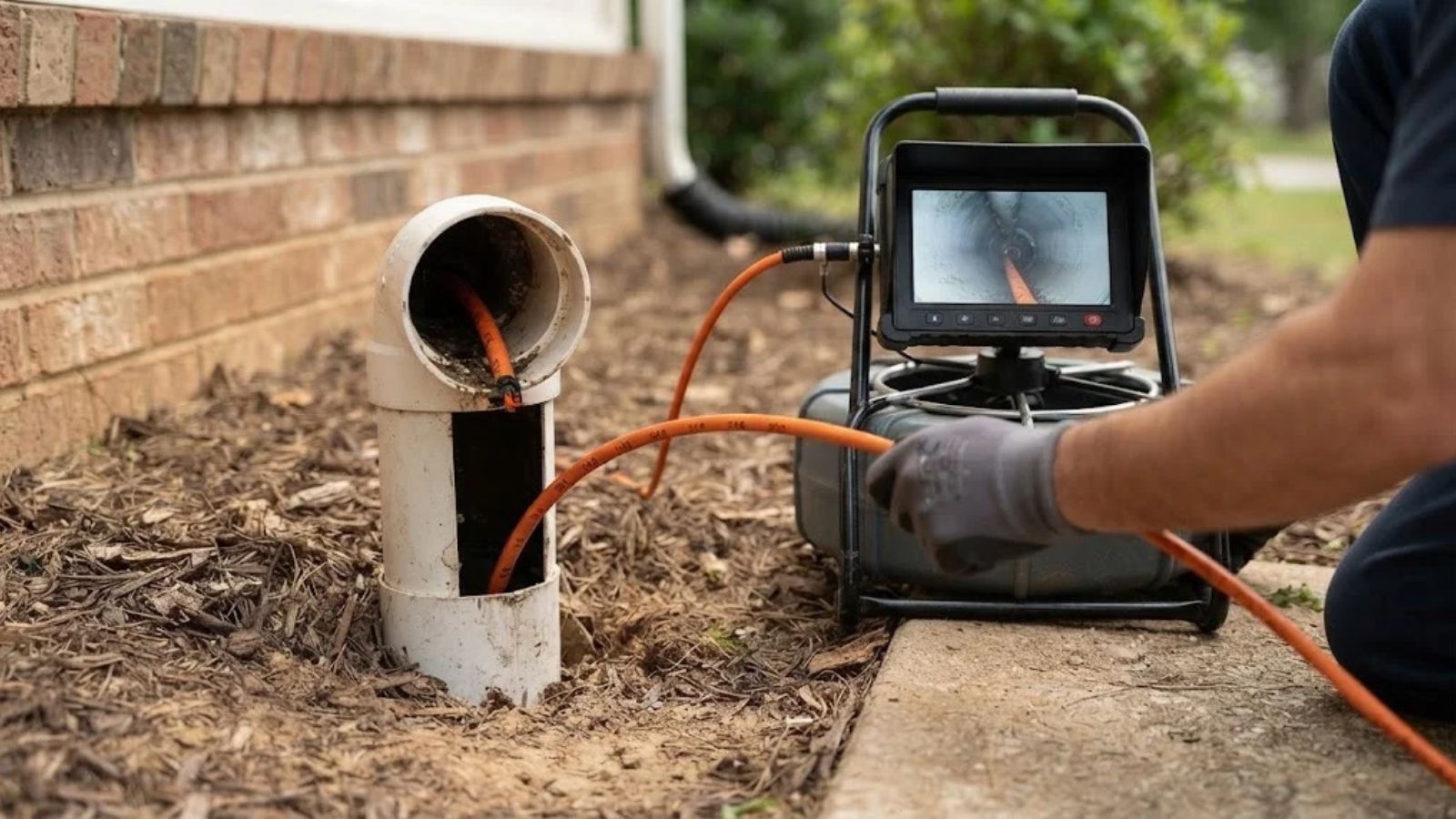
The clearest sign of a sewer line problem is multiple drains backing up or draining slowly at the same time, not just one fixture. A single slow sink is usually a local clog. Several fixtures acting up together, especially paired with gurgling sounds, sewer odors, or water backing up into a tub when you flush a toilet, points toward the main line itself rather than an isolated blockage.
Why Multiple Drains Matter More Than One
Every fixture in your home eventually connects to the same main sewer line leaving the house. A clog in a single fixture's own drain only affects that fixture. A problem in the shared main line affects everything downstream of it, which is why several slow or backed-up drains at once is the signal that actually points toward the sewer line rather than a simple local clog.
The Real Warning Signs
Beyond multiple slow drains, a handful of other signs point specifically toward the main line rather than an individual fixture.
| Sign | What It Usually Means |
|---|---|
| Multiple drains slow or backed up together | Blockage or damage in the shared main line |
| Gurgling sounds from drains or toilets | Trapped air from a partial blockage further down the line |
| Sewer odor inside or outside the home | Gases escaping through a crack or a venting issue in the line |
| Water backs up into tub or shower when flushing | Significant blockage forcing wastewater to find another path |
| Unusually lush or soggy patch of yard | A leak in the line acting as fertilizer for that section of lawn |
What Actually Causes This in Spring, TX
Tree root intrusion is a genuinely common cause here, since mature trees in established neighborhoods send roots toward any available moisture source, including small cracks in older sewer lines. Homes with cast iron or clay sewer lines, more common in Old Town Spring's older sections, are also more prone to corrosion and cracking over a multi-decade lifespan than newer PVC lines.
The area's expansive clay soil plays a role too, the same soil movement that stresses supply lines under a slab foundation also puts stress on sewer lines running underground, sometimes causing joints to separate or pipes to crack over years of gradual shifting.
What Happens Next
A video camera inspection is the standard first step, letting a plumber see exactly what's happening inside the line, root intrusion, a crack, a collapsed section, or a simple blockage, without digging first. Here's what to do once a backup or serious blockage is confirmed: sewer line repair covers the fix for a localized problem, while sewer line replacement becomes the right call when a line is damaged extensively enough, or old enough, that repeated repairs no longer make sense.
For a blockage without structural damage to the pipe itself, hydro jetting often clears the line completely using high-pressure water, without needing to access or replace anything.
Why Waiting Rarely Helps
A sewer line problem that starts as a minor slow drain tends to get worse, not better, on its own. Root intrusion continues growing. A partial crack tends to widen under continued water flow and ground movement. What starts as an occasional gurgle can progress to a full backup over weeks or months if left unaddressed.
Acting on early signs, before a full backup forces the issue, generally means a smaller, less invasive repair. Waiting until wastewater is actively backing up into the home turns a plumbing issue into a cleanup and sanitation issue as well, which is a meaningfully bigger problem to resolve.
What Trenchless Repair Options Mean for Your Yard
Older sewer line repairs often meant digging a full trench along the pipe's entire length, tearing up landscaping, driveways, or walkways in the process. Modern trenchless methods, where the pipe's condition allows for them, can repair or replace a damaged section through much smaller access points, sometimes a single entry and exit point rather than the full trench.
Whether trenchless repair is an option for your specific situation depends on the pipe's material, depth, and the nature of the damage found during the camera inspection. It's worth asking about directly, since it can mean a meaningfully less disruptive repair process for your property.
Sewer Line Age and When Replacement Makes More Sense
Cast iron and clay sewer lines, common in older sections of homes throughout this area, generally have a shorter practical lifespan than modern PVC lines. They often reach the point of diminishing returns on repair somewhere between 50 and 80 years depending on soil conditions and maintenance history. A line that's needed multiple repairs in different sections over a short period is usually signaling that the whole line, not just isolated spots, has reached the end of its useful life.
This is a genuinely practical calculation, not just an age cutoff. The cost of a third or fourth repair on an aging line, spread across a short span of years, often approaches or exceeds the cost of full replacement. At that point, replacement becomes the more sensible long-term choice rather than continuing to patch the same aging pipe.
Common Questions
Is a sewer line backup an emergency?
Can tree roots really break through a sewer pipe?
How much does a sewer camera inspection typically involve?
Does homeowners insurance cover sewer line repair?
How often should a sewer line be inspected as preventive maintenance?
Can I keep using my sewer line while waiting for a repair to be scheduled?
Can a sewer line problem affect more than one fixture at completely different times?
Dealing with this in Spring or nearby right now?
☎ Call (281) 626-9205