Do You Need a Permit for Plumbing Work in Texas?
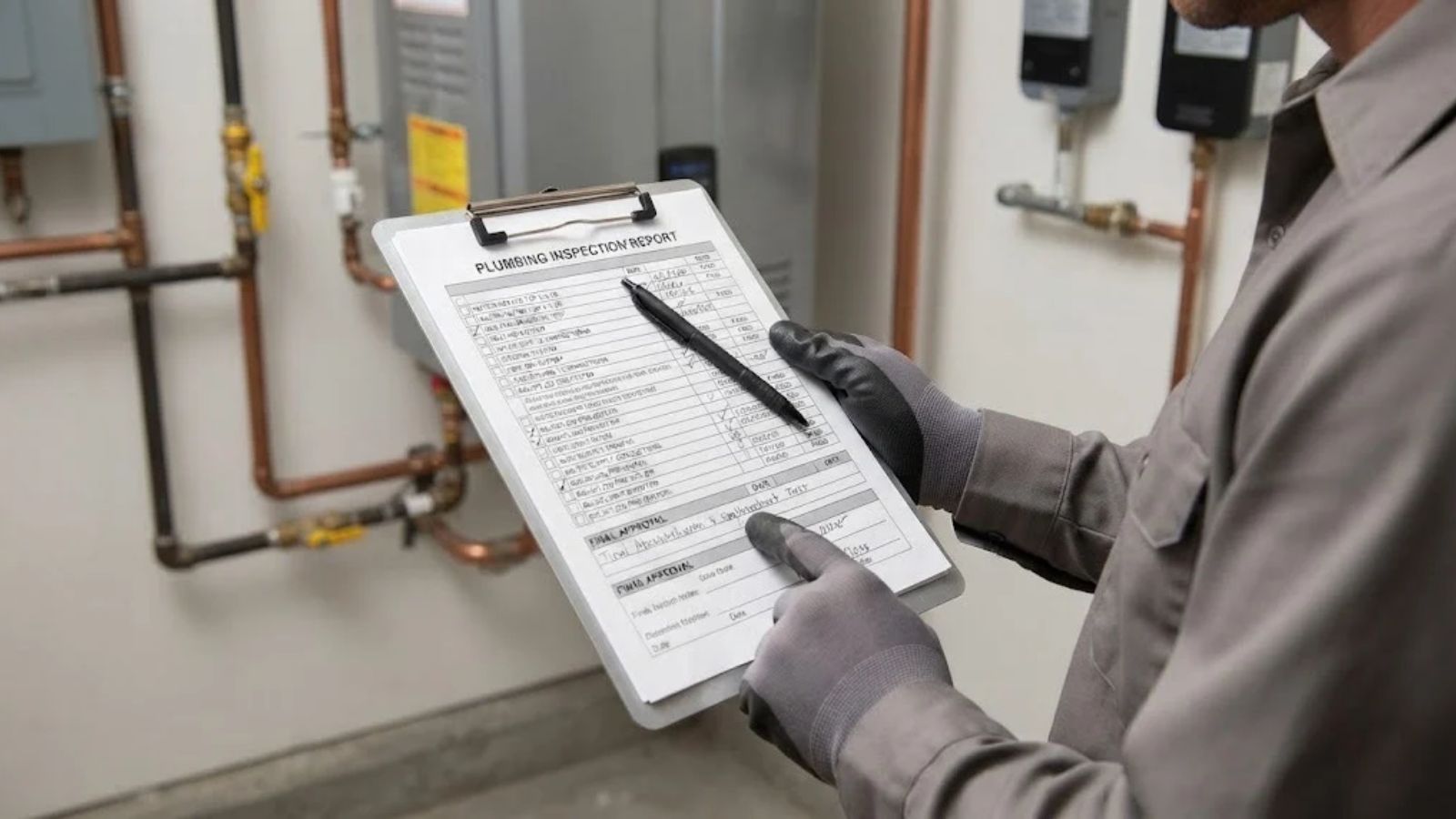
Permit requirements for plumbing work in Texas vary by city and county, so there's no single statewide answer. As a general pattern across most Texas jurisdictions, replacing an existing fixture like a faucet or toilet in the same location usually doesn't require a permit, while replacing a water heater, adding a new fixture, or repiping typically does. Because Spring itself is unincorporated, permitting for most of the area falls under Harris County or Montgomery County rather than a city building department, and the specific requirement for your address is always worth confirming directly before starting work.
Why This Varies So Much by Location
Texas doesn't have a single statewide plumbing permit system. Incorporated cities adopt their own building codes, often a version of the International Residential Code with local amendments, and unincorporated areas fall under county jurisdiction instead. That means Tomball, Humble, Oak Ridge North, Shenandoah, and The Woodlands Township can each have somewhat different specific requirements, timelines, and fees, even though the underlying code they're built on is similar.
This is exactly why we don't publish specific permit fees or timelines here, since giving a number that's accurate for one nearby city but wrong for unincorporated Harris County would do more harm than good. The right move is always confirming with the specific authority for your address.
The General Pattern Across Most Jurisdictions
While the specifics vary, the underlying pattern is fairly consistent across most Texas cities and counties.
| Type of Work | Typically Needs a Permit? |
|---|---|
| Replacing a faucet or toilet in the same location | Usually no |
| Replacing a water heater | Usually yes |
| Adding a new fixture (new sink, new bathroom) | Usually yes |
| Repiping or rerouting supply or drain lines | Usually yes |
| Gas line work | Usually yes, often with additional inspection |
Who to Actually Ask
For an address in unincorporated Harris County, that's the Harris County Permits Office. For unincorporated Montgomery County, the county's own permitting department. For an address inside Tomball, Humble, Oak Ridge North, Shenandoah, or The Woodlands Township specifically, each has its own building or development services department that handles permitting within city limits.
A licensed plumber pulling a permit on your behalf, which is standard practice for work like water heater installation and replacement or repiping, typically knows the correct authority for your specific address and handles that step as part of the job rather than leaving it to you to research.
Why Skipping a Required Permit Is a Real Risk
Unpermitted work that should have had a permit can create real problems beyond the immediate job. Fines if it's discovered, complications when selling the home if an inspection turns up unpermitted plumbing, and in some cases insurance complications if damage is later traced to work that was never inspected. It's a real, practical reason to confirm the requirement upfront rather than assume it doesn't apply.
What a Permit and Inspection Actually Verify
A permit isn't just paperwork. The inspection that comes with it confirms the work meets minimum safety standards: correct pipe sizing, proper venting for gas appliances, adequate support and slope for drain lines, and code-compliant materials throughout. That's the actual value behind the requirement, not the fee itself.
This matters most for the categories of work most likely to cause real problems if done incorrectly. Gas line connections carry a genuine safety risk if improperly sealed, and drain line slope determines whether a system drains correctly for years or develops chronic clogging almost immediately. A permit and inspection catch these issues before they're buried behind a wall or under a slab.
How Licensed Plumbers Handle This
A licensed plumber pulling a permit under their own registration typically has an established relationship with the local permitting office, which often means faster turnaround than a first-time homeowner applicant navigating the process alone. They also know from experience which categories of work in which specific jurisdictions tend to draw closer inspection scrutiny.
This is part of why permit handling is usually bundled into the job rather than treated as a separate task the homeowner manages independently. It removes a real source of friction and delay from a project that already has enough moving pieces.
It's a reasonable question to ask directly before work begins: whether a permit is needed for your specific project, and if so, who's pulling it. Knowing when to call a licensed plumber rather than attempting the work yourself is part of navigating this correctly, especially for anything touching gas lines, water heaters, or repiping.
Common Questions
Does a same-day emergency repair still need a permit?
Can I pull my own plumbing permit as a homeowner?
What happens if unpermitted plumbing work is found later?
Does replacing a water heater with the exact same model still need a permit?
How long does the permit process usually take once work is done?
Do permit requirements differ between incorporated cities and unincorporated Harris County?
Is a permit required for a simple repair, like fixing a leaking joint?
What happens during a plumbing inspection itself?
Dealing with this in Spring or nearby right now?
☎ Call (281) 626-9205