Low Water Pressure in the Shower: Common Causes
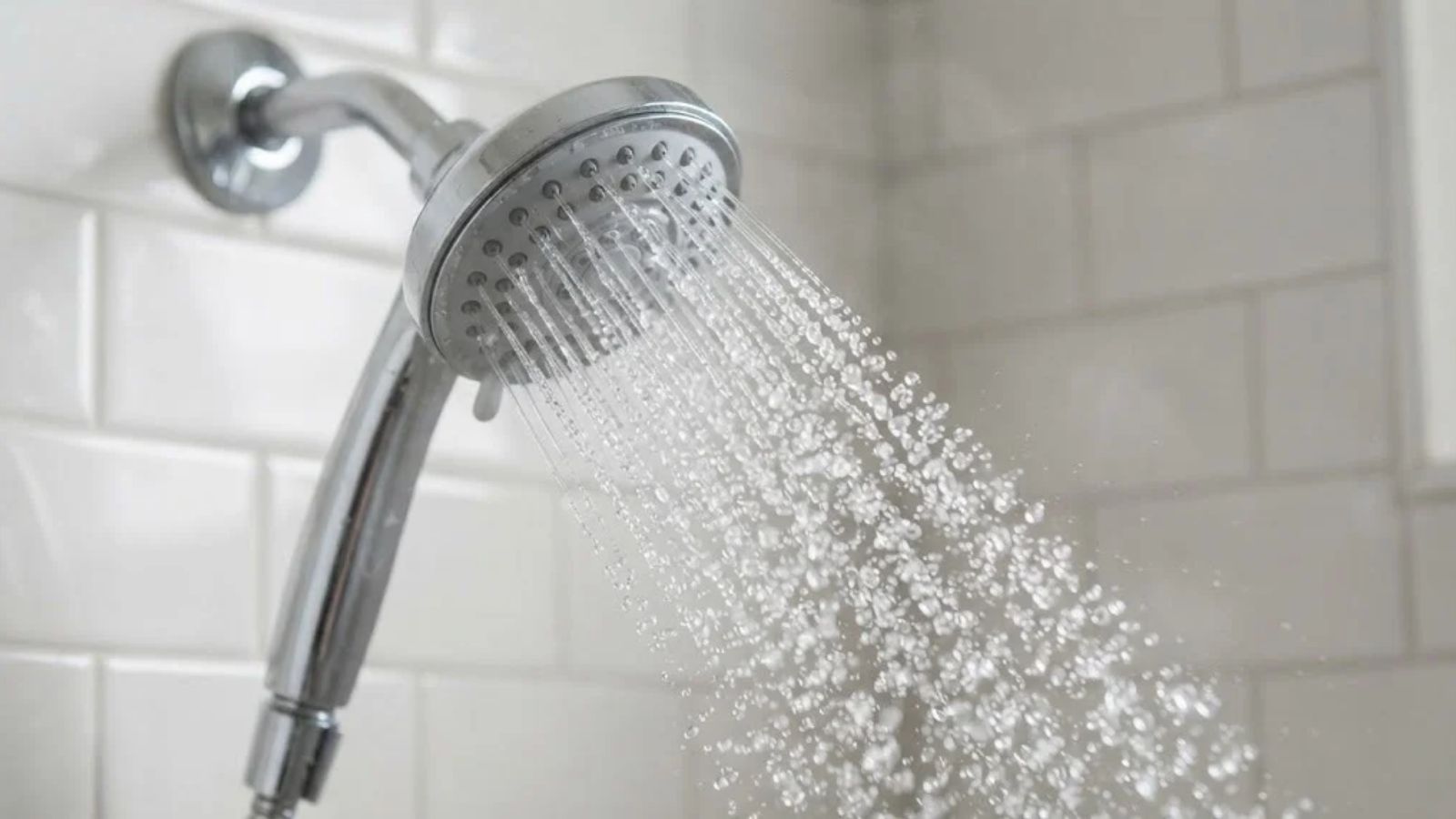
Low shower pressure usually comes down to one of four things: a clogged showerhead, a partially closed valve somewhere in the line, a failing pressure regulator, or mineral buildup inside the pipes themselves. The fastest way to narrow it down is checking whether the problem is isolated to the shower or affects the whole house, and whether it's on the hot side, cold side, or both.
Start With a Simple Test
Run another fixture, a kitchen faucet or a different bathroom sink, while the shower's off. If that fixture also runs weak, the problem is likely upstream of the shower itself, either in the main line or at the pressure regulator. If only the shower is affected, the cause is more likely local to that fixture.
The Most Common Causes
A blocked showerhead is the single most common cause, and the easiest to fix. Mineral deposits from this area's water hardness build up in the small nozzles over time, restricting flow even though the water supply itself is fine.
| Cause | Isolated to Shower? | Fix Difficulty |
|---|---|---|
| Clogged showerhead | Yes | Easy, soak in vinegar or replace |
| Partially closed shutoff valve | Sometimes | Easy, locate and fully open |
| Failing pressure regulator | No, whole house | Needs a plumber |
| Mineral buildup inside pipes | No, whole house | Needs a plumber |
| Faulty mixing valve | Yes, often hot side only | Needs a plumber |
What You Can Check Yourself
Unscrew the showerhead and soak it in white vinegar for a few hours to dissolve mineral deposits, then scrub the nozzles with an old toothbrush before reattaching. If that doesn't help, check the inline shutoff valve for that bathroom, often located under the sink or behind an access panel, to confirm it's fully open rather than partially closed from earlier work.
If the whole house has weak pressure, not just one shower, the cause is more likely the main water valve not being fully open, or a pressure regulator that's failing. Confirm the main valve is turned all the way on before assuming a bigger problem.
When It Points to Something Bigger
Pressure that's dropped gradually over months, especially paired with discolored water, often means mineral buildup narrowing the inside diameter of older galvanized pipes, a real issue in homes with original supply lines. That's a job for repiping rather than a quick fix, since cleaning the inside of existing pipes isn't a practical option once buildup is significant. The IPC sets minimum flow standards for fixtures for exactly this reason, so a system that's fallen well below normal function is a real code and comfort issue, not just an inconvenience.
A sudden pressure drop, rather than a gradual one, is more likely to mean a leak diverting water elsewhere in the system, which is a job for leak detection to locate before anything else gets fixed. Hard water contributing to the buildup in the first place is worth addressing too, which is where water softener installation comes in for a longer-term fix rather than repeated showerhead cleaning.
Multi-Story Homes and Gravity
A two-story home naturally sees lower pressure on the upper floor than the ground floor, since water has to work against gravity to reach that height. This is normal physics, not a defect, though it becomes noticeable enough to complain about in homes with already-modest incoming pressure.
If your upper-floor shower has always been weaker than downstairs fixtures, that's likely just the layout. If it used to be comparable and has recently gotten noticeably worse, that change is the more meaningful signal, and it's worth treating as a new problem rather than attributing it to the home's normal layout.
When the Problem Is Actually Your Water Heater
If low pressure only shows up on the hot water side, and cold water pressure throughout the house is completely normal, the water heater itself is a genuine suspect, not just the shower's mixing valve. Sediment buildup inside an aging tank can restrict outflow enough to noticeably reduce hot water pressure at every fixture in the house, not just one shower.
This is one of several reasons regular water heater maintenance matters beyond just extending the unit's lifespan. A tank that's never been flushed accumulates sediment that affects performance well before it causes the more obvious symptoms, like rumbling sounds or a complete loss of hot water.
A tankless unit can show a related but different symptom: pressure that drops specifically during heavy simultaneous use, like two showers running at once, which usually points to the unit being undersized for the household's actual peak demand rather than a maintenance issue at all.
Common Questions
Why is my hot water pressure low but cold water pressure is fine?
Can a water softener fix low pressure caused by mineral buildup?
Is low water pressure covered by homeowners insurance?
How do I know if the problem is my house or the city's water supply?
Does a new showerhead guarantee better pressure?
Can adding a pressure booster pump help?
Does running the dishwasher or washing machine affect shower pressure?
Can old shower valve cartridges cause low pressure specifically?
Dealing with this in Spring or nearby right now?
☎ Call (281) 626-9205